About Us
Conservation
Our Parks
Media Center

News

News, Press Release

South Sudan Eyes Transformation of Jonglei Wildlife Reserves into Tourist Hubs

JUBA, South Sudan – The Ministry of Wildlife Conservation and Tourism has unveiled plans to transform the Jonglei Landscape, including Boma and Badingilo National Parks, into vibrant eco-tourism destinations. The move aims to transition these areas from traditional conservation zones into sustainable income-generating assets. From Protection to Economic Opportunity Minister Gen. Rizik Zachariah Hassan announced that he will lead a high-level delegation to the region in February 2025 to assess infrastructure needs, particularly road networks, as a first step toward enabling tourism development. Speaking during a strategic meeting on Thursday with Peter Gozulu Maze, Chief Administrator of the Greater Pibor Administrative Area (GPAA), and Deputy Minister of Information Jacob Maiju Korok, Gen. Hassan emphasized the importance of linking conservation with economic growth. “We have been managing resources without efficiently utilizing them. It’s time to shift from just conservation to sustainable tourism that benefits the country and its people,” he said. Collaboration for Sustainable Growth The meeting explored cooperation strategies between the Ministry and the GPAA to align efforts with South Sudan’s broader tourism development goals. Gen. Hassan pointed out that the Boma-Badingilo-Jonglei landscape (BBJL) is not only ecologically rich but also holds significant potential for eco-tourism. “We share joint interests, especially in migratory patterns of antelopes and other wildlife. This area is very attractive and presents vast opportunities,” he noted. Backed by Data: A Multibillion-Dollar Opportunity A January 2025 report by the World Bank revealed that South Sudan’s natural resources—particularly wildlife, fisheries, and forestry—have the potential to generate billions of U.S. dollars annually if properly managed and developed. Key findings included: Next Steps: Laying the Groundwork for Eco-Tourism Minister Hassan’s upcoming visit will focus on evaluating existing infrastructure, identifying development gaps, and engaging local communities. The goal is to ensure that tourism not only protects biodiversity but also creates jobs and economic opportunities for the people living in and around these landscapes. The Future of South Sudan’s Tourism is Wild, Green, and Promising With support from local authorities and international stakeholders, South Sudan is taking bold steps toward unlocking its eco-tourism potential—turning its rich natural heritage into a pillar of sustainable development.
News, Press Release

Ministry of Wildlife Investigates Poaching Incident in Budi County

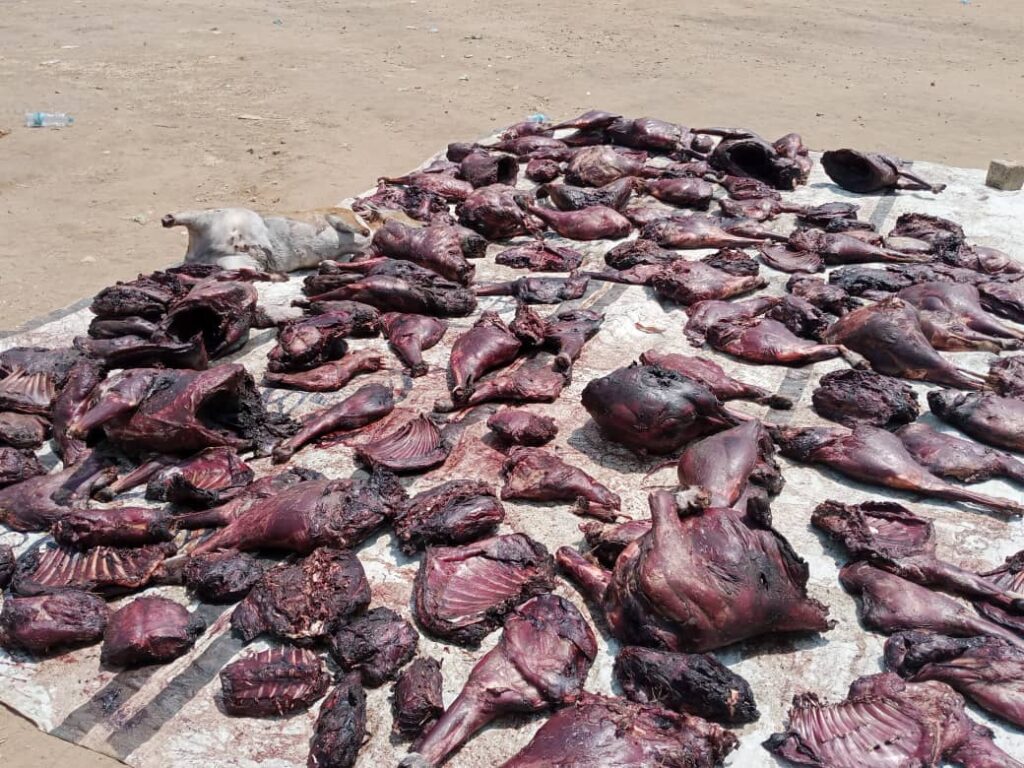
The Ministry of Wildlife has initiated an investigation into reports of poaching in Budi County, Eastern Equatoria State, which led to the killing of 11 buffaloes. The county commissioner, Akileo Mboya Peter, confirmed the investigation, which was launched following his appeal to conservation authorities to deploy personnel to protect the area from further poaching activities. Akileo emphasized that one of the primary challenges facing wildlife conservation in the region is the lack of effective law enforcement and community sensitization on the importance of protecting wildlife. He stated, “The loss of 11 buffaloes in one incident is a significant blow to our national wildlife population. This act of poaching is deplorable, and I condemn it in the strongest terms. I urge the National Ministry of Wildlife to urgently send wildlife enforcement personnel to safeguard the area, which is home to a rich diversity of species.” The commissioner also pointed out that the lack of wildlife personnel in the area, combined with insufficient community awareness, is contributing to the rising poaching activities. “Our people are not properly educated about the importance of wildlife conservation,” he said. South Sudan has gained international recognition for hosting the world’s largest land mammal migration, as highlighted by the Ministry of Wildlife and Tourism. However, the country’s wildlife, especially the antelope population, is currently facing severe threats from commercial poaching, compounded by hunger, widespread access to weapons, and weak enforcement of conservation laws. In early 2024, wildlife conservation authorities intensified efforts to curb poaching by confiscating vehicles smuggling bushmeat and apprehending suspected poachers. In April 2024, the government issued stern warnings against poaching, stressing that killing wildlife for consumption or trade is illegal and punishable by law. Colonel John Chol, the leader of the investigation team, urged South Sudanese citizens to recognize the value of their country’s wildlife resources. “This wealth, represented by our wildlife, is ours to protect. We must preserve it for future generations,” he stated.

News

Wildlife Conservation and Protected Area Bill Moves to Third Reading

The Wildlife Conservation and Protected Area Bill 2024 has advanced to its third reading in the August House, with the Specialized Committee on Wildlife and Tourism tasked with reviewing the bill within the next two weeks. Wilson Lodiong Sebit, the chairperson of the committee, presented the bill’s report during its second reading on Monday. The committee’s report included several key recommendations aimed at enhancing wildlife conservation in South Sudan. Among the recommendations was the proposal to reduce the number of wildlife species in game reserves to better align with the area’s carrying capacity. Another suggested action was the selective removal of certain wildlife species to promote ecological balance and effective environmental management. The committee also highlighted the importance of sustainable wildlife harvesting for various products, while emphasizing the need to combat biopiracy—the unauthorized collection and transportation of wildlife without proper permits. The bill comes at a significant time, following President Salva Kiir’s announcement on June 25, which recognized South Sudan as home to the world’s largest land mammal migration. An assessment of the wildlife in the Boma-Badingilo-Jonglei Landscape revealed an estimated six million antelope in the region. This annual migration, involving millions of white-eared kob, Mongalla gazelle, tiang, and reedbuck, further underscores the importance of South Sudan’s wildlife and its conservation efforts.

Scroll to Top